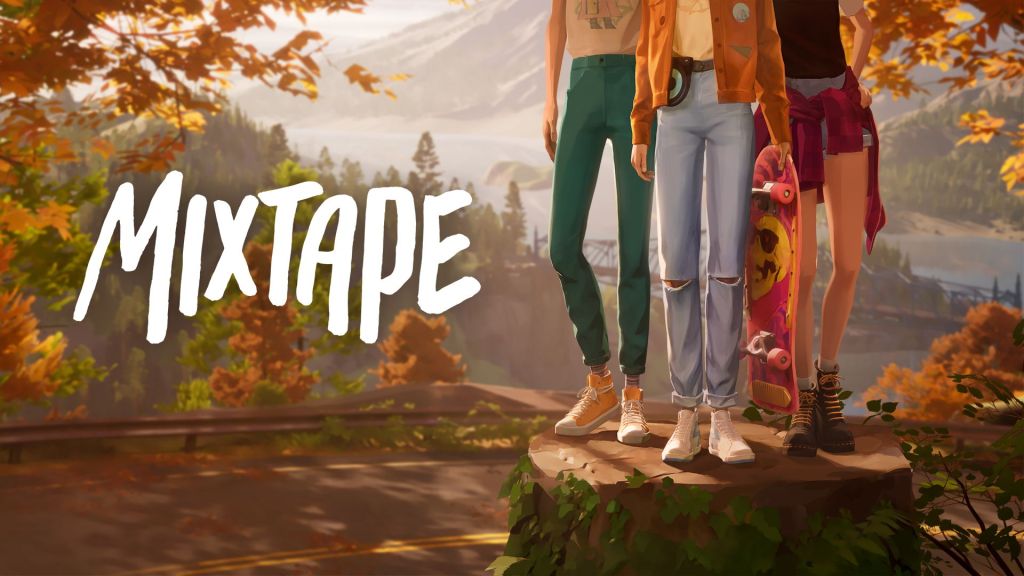
The first time I went to California, I burned a CD for the occasion. At the time, I lived in a studio apartment in Philadelphia; just out of college, I had almost no money, a soul-sucking retail job, and my whole life ahead of me. Perhaps irresponsibly, I used my meager tax return to join a friend on a trip to Los Angeles. It was going to be my first time on the west coast — hell, my first time in a different time zone — and music felt like the perfect way to mark the milestone. The theme wasn’t subtle with songs like “Going to California,” “California Dreamin’,” “Hotel California,” and of course, Phantom Planet’s “California” among the tracks, but I didn’t care — I was finally doing something with my life. When you’re young, it constantly feels like you’re waiting for your life to start.
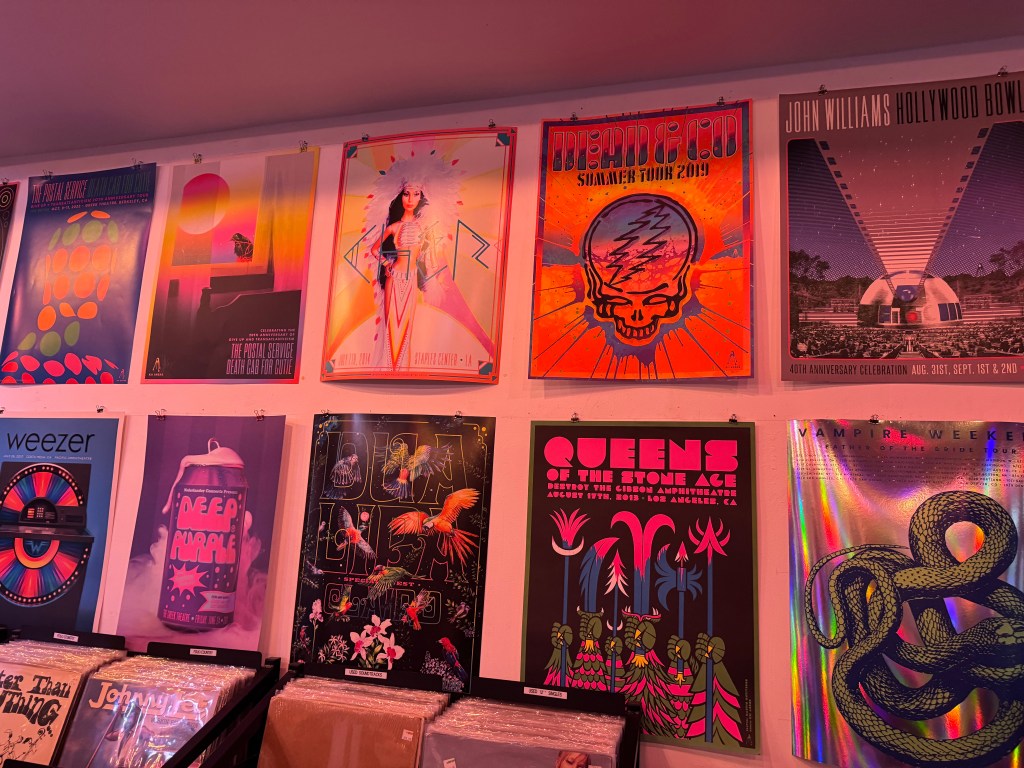
Fast forward 20 years and I now live in Los Angeles. My writing career, for all of its highs and lows, has taken me to places I couldn’t have imagined on that first trip to the west coast. On this particular Thursday in February, it’s taken me to the legendary Licorice Pizza record store in Studio City. I was there to see Annapurna Interactive’s Mixtape, and the venue couldn’t have been a more perfect match for the game. With music posters, signed paraphernalia, and vinyl records everywhere you looked, seemingly every artist and genre was represented; think The Ramones sharing wall space with Taylor Swift’s 1989 and Cher standing tall atop Dua Lipa.
As its title suggests, Mixtape is a game about music — but also so much more. Its soundtrack is fitting and deliberate, with the songs being personally chosen by Creative Director Johnny Galvatron. Galvatron started out in a band, and in a Q&A session that kicked off the event, he discussed how the grueling nature of being a touring musician made him long for a change. So he founded Beethoven & Dinosaur, the independent Australian game studio that made its impressive debut with the colorful, endlessly creative The Artful Escape in 2021.
“Every mixtape tells a story,” Galvatron said when discussing his musical influences and how they led to Mixtape. He’s right, of course, but in Beethoven & Dinosaur’s newest game, that statement couldn’t be more literal. The game’s soundtrack, featuring thoughtfully chosen tracks from DEVO, The Smashing Pumpkins, and Joy Division, among others, accompanies teenagers Rockford, Slater, and Cassandra on their last night as a trio. High school is ending and everything is changing. The next day, Rockford will be heading to New York City to follow her dreams. Tonight, though? Tonight is everything.
The story is told from Rockford’s perspective, and her self-aware narration and encyclopedic knowledge of music is reminiscent of John Cusack in High Fidelity with a dash of Gilmore Girls’ rock-obsessed Lane Kim. I got about half an hour of hands-on time with Mixtape, and it made me feel seen in a very specific, nostalgic way. Do you remember the first time you heard a song and it felt like the lyrics were written specifically for you? Mixtape evokes that same feeling.
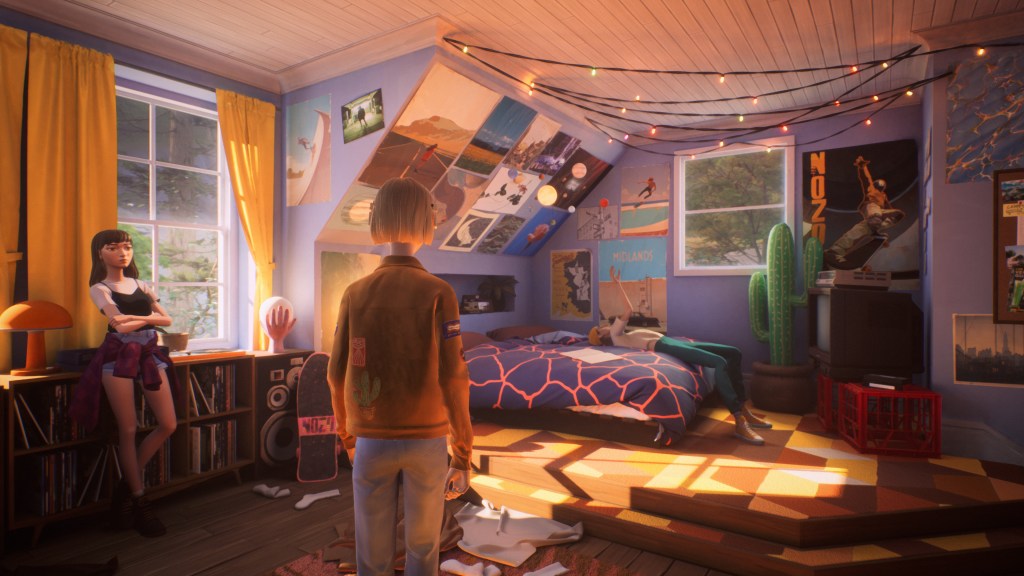
The gameplay is a mix of exploration and exposition with some action-packed segments in between. Early on, you’re skateboarding through town on your way to Rockford’s house to grab her secret stash for tonight’s party. It’s not Tony Hawk; the action is low-stakes, and if you mess up, the game rewinds a bit and lets you try again. But just moving to the music — Rockford seemingly always has headphones on and a mixtape playing — and listening to the dialogue is a lot of fun.
Later on, a collection of Polaroids gets the trio reminiscing about a wild party gone awry. It feels like something out of a ’90s teen movie, which is appropriate since that is when the game is set. But it’s more than a cliche cinematic rager; it also feels impossibly familiar. After all, who doesn’t have a story about a crazy night from their teen years that gets more elaborate with each retelling? When the cops show up to bust up the shindig, Rockford and Slater escape with a drunk Cassandra in a shopping cart as cop cars swarm like you’re a five-star criminal in Grand Theft Auto. “At least that’s how I remember it,” Slater says.
Throughout all of this, the mixtape keeps playing. It’s not mere background music, either. Rockford introduces each song and its title pops up on the screen, so there’s no way to miss it. Galvatron joked about how he wanted every song on the soundtrack to be DEVO, so it’s no surprise that the new wave band kicks things off. Jesus and Mary Chain and Alice Coltrane also popped off during my gameplay segment, so one thing is clear: much like Rockford, Johnny Galvatron makes a mean mixtape.
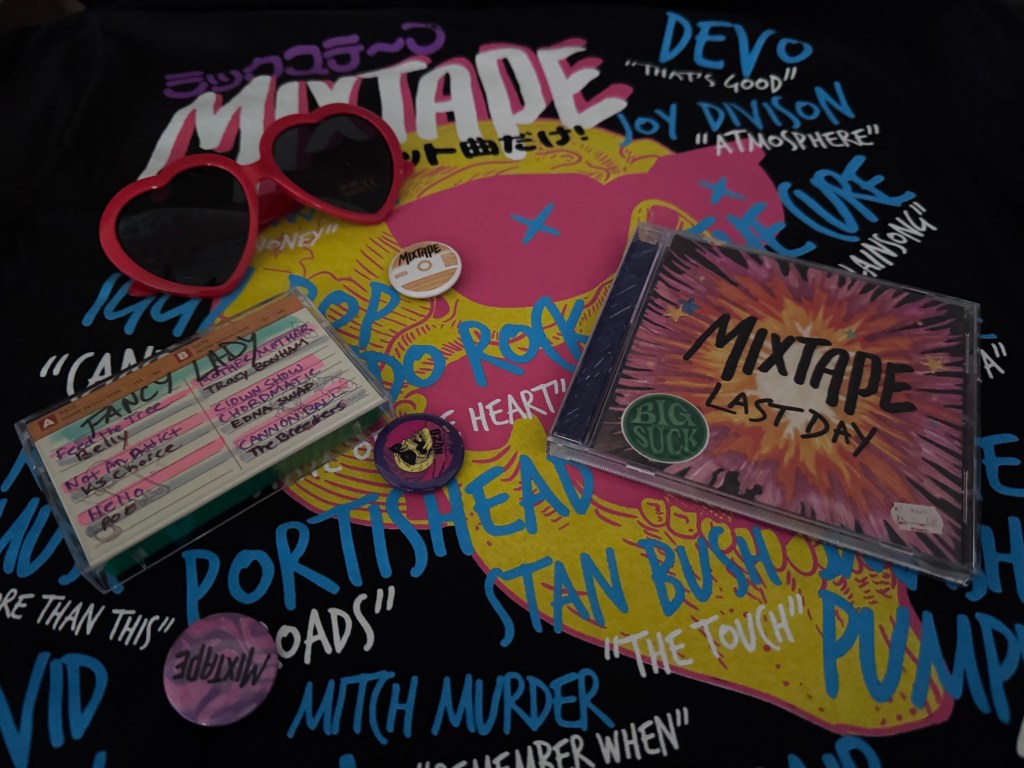
There was something surreal about sitting in this Los Angeles record shop playing Mixtape while being faced with reminders of all these previous versions of myself. Like Rockford, I was obsessed with music in high school, often taping songs off the radio and downloading music from Napster to burn what I believed were killer mix CDs. However, my first car, a 1992 Ford Taurus in seafoam green — my pride and joy — didn’t have a CD player, so while the rest of the world moved on to the digital age, I went backwards and recorded CDs onto the seemingly endless supply of blank cassettes my parents had left over from the 80s. My favorite was a Ramones greatest hits compilation, the most prominent soundtrack to my senior year of high school.
I still make mixtapes, but now they take the form of carefully curated digital playlists to suit every mood. There’s one for when I’m angry, one for when I’m in a good mood, one for the beach, and one for when I want to sing along (terribly) to Broadway musicals. It’s not the same, though. If you didn’t grow up before MP3 players and streaming music were ubiquitous, you can’t quite appreciate the work that went into making a mix. When you were limited by physical media, you had to be very deliberate about the songs you chose. You were stuck with those songs in that order for the rest of time, so you had to nail it.
I’m getting off topic, but that’s because Mixtape made me think about music in a way I haven’t for a long, long time. On the long drive home through Los Angeles rush hour traffic (“driving down the 101,” as I usually sing to myself), I paid much closer attention to the songs on the ancient iPod I keep in my car — how are we so far in the future that even iPods are obsolete? — how they got there, where I first heard them. For example, a cover of “It’s All Over Now, Baby Blue” from the Girl, Interrupted soundtrack led me to eventually discover Bob Dylan 30 years after the rest of the world did. That contributed to a love of 1960s music and culture that had me collecting vinyl and scouring thrift shops throughout my teen years and early 20s. Every song has the potential to be so much more than simply a few minutes of musical escape, and Mixtape understands that in a way that’s hard to verbalize.
When discussing her love of mixtapes early in the demo, Rockford makes a poignant observation: eventually, “you’ll be listening to who you were.” The version of myself who made the “Going to California” CD 20 years ago couldn’t have imagined the version of myself I am now, and that ghost of my past feels like another person entirely. But the music is still there, connecting all of these past lives across time and space. And if one short session of Mixtape could make me feel this way, I can’t wait to see what the entire game brings when it comes out later this year.
 Sarah LeBoeuf
Leave a comment